A good first ski day is not about reaching advanced terrain. It is about staying warm, learning how to stop and turn, understanding the resort environment, and finishing before fatigue makes technique fall apart.
Key points
- Book a beginner lesson if possible
- Wear layers and avoid cotton next to skin
- Make sure boots and helmet fit correctly
- Learn lift and slope etiquette
- Stop before fatigue takes over
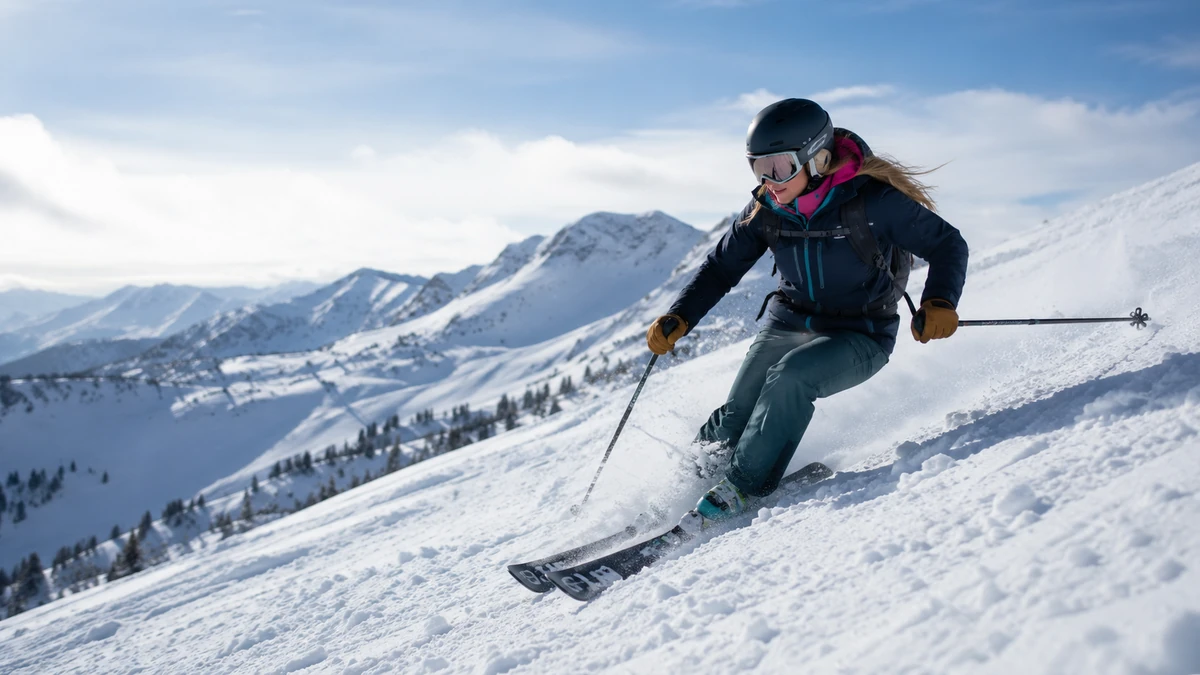
1. Use a three-part clothing system
A moisture-managing base layer, insulating mid layer and waterproof/wind-resistant outer shell is easier to adjust than one very heavy garment.
Bring gloves, ski socks and eye protection suited to the conditions. Avoid multiple thick socks inside ski boots because they can create pressure and reduce control.
2. Take boot fitting seriously
Rental boots should feel secure but not cause sharp pain or numbness. Tell rental staff about pressure points before going onto the slope.
Correctly fitted boots improve control more than many beginners expect. Do not overtighten buckles in an attempt to fix a poor fit.
3. Learn to stop and turn before exploring
A lesson helps you practice stance, speed control, stopping, turning and lift procedures in a structured area.
Stay on terrain marked for beginners until you can control direction and speed consistently. Trail ratings vary by resort, so “beginner” is not identical everywhere.
4. Understand resort rules and signs
Know the local responsibility code, trail markers, closed areas and lift instructions. Stop only where you can be seen from above and avoid blocking narrow sections.
Weather can change visibility and surface conditions quickly. Follow patrol and resort announcements even if your original plan was different.
5. Fatigue changes technique quickly
Skiing uses unfamiliar muscles and concentration. Take breaks, eat and drink, and finish the day while you still feel in control.
Trying “one last run” after technique deteriorates is rarely worth it. A shorter first day often leads to a better second day.
Quick checklist
- ✓ Base, mid and outer layers
- ✓ Ski socks and waterproof gloves
- ✓ Helmet and goggles
- ✓ Boot fit checked before leaving rental area
- ✓ Lesson or beginner-area plan
- ✓ Lift pass and resort map
- ✓ Sunscreen and lip protection
Frequently asked questions
Should a first-time skier take a lesson?
A qualified beginner lesson is strongly recommended because it teaches stopping, turning, lift use and slope etiquette in a structured way.
Can I wear normal winter boots for skiing?
No. Alpine skis require compatible ski boots. Rental shops provide boots and can help fit them.
How warm should I dress?
Use layers you can adjust. Weather, wind and activity level vary throughout the day.
When should I stop for the day?
Before fatigue causes loss of control, repeated falls or difficulty following instructions.
This article provides general educational information. Conditions, rules and equipment requirements can change. Check current official information and local requirements before participating.