Tent shopping becomes easier when you stop asking which model is “best” and start asking where, how often and with whom you will use it. Capacity labels are only a starting point; usable floor space, weather protection and setup matter just as much.
Key points
- Choose usable space, not just the person-count label
- Match rain and wind protection to your typical campsites
- Ventilation matters in humid climates
- Consider packed size and transport method
- Practice setup before the first trip
1. Capacity labels are not comfort ratings
A two-person tent may technically fit two sleeping pads and little else. If you camp with bulky gear, children or long nights indoors, more floor area and headroom can make a large difference.
Check the actual floor dimensions, peak height and door layout. Compare those measurements with your sleeping pads rather than relying only on “2P” or “4P” labels.
2. Weather protection is a system
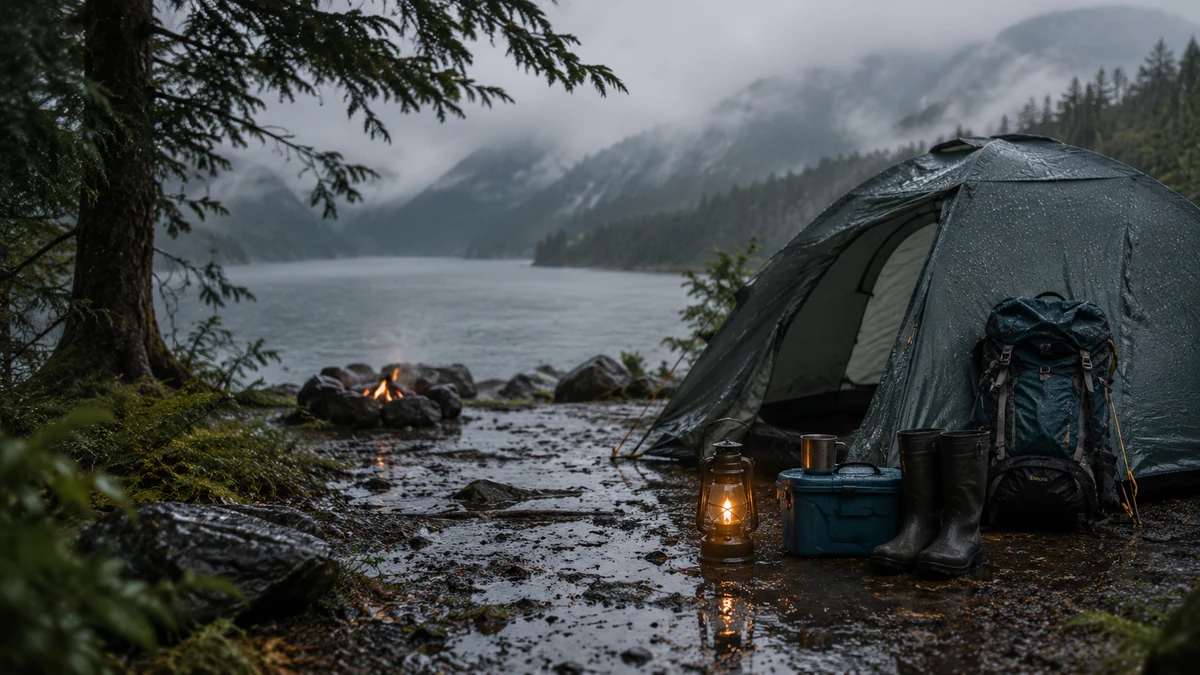
Rain performance depends on fly coverage, seam construction, bathtub-floor height, site drainage and how well the tent is pitched. Wind performance also depends on pole geometry, guy-out points and correct staking.
No rating replaces good campsite selection. Avoid low spots where water collects, dead branches overhead and exposed ridgelines when stronger wind is expected.
3. Ventilation reduces condensation
People release moisture while sleeping, so some condensation is normal. Mesh panels, roof vents and adjustable doors help warm moist air escape.
In humid weather, maximize airflow without allowing rain inside. Keep wet clothing out of the sleeping area when possible and avoid pressing sleeping bags against damp tent walls.
4. Transport changes what “lightweight” means
A car-camping tent can prioritize space and easy entry, while backpacking requires close attention to packed weight and volume. Cyclists and travelers also need to consider how poles fit into bags or luggage.
Think about the entire trip: how far you carry the tent, whether you set up alone, and how often you pack it wet. These details often matter more than a small difference in advertised weight.
5. Setup should be simple in bad conditions
A tent that feels easy in your living room should still make sense in wind, rain or darkness. Color-coded poles, clips and clear guy lines can reduce mistakes.
Practice once before the trip and keep stakes, poles and repair items in predictable places. If you cannot set it up without instructions in calm conditions, it may be frustrating when weather changes.
Quick checklist
- ✓ Floor dimensions fit your pads
- ✓ Peak height suits your use
- ✓ Full or partial rainfly matches your climate
- ✓ Enough vents and mesh for airflow
- ✓ Stakes and guy lines included
- ✓ Packed size fits your vehicle or pack
- ✓ Setup can be done by the expected number of people
- ✓ Repair sleeve or basic patch kit
Frequently asked questions
Should I buy a tent one size larger?
For car camping, extra space is often useful. For backpacking, the added weight may not be worth it. Use actual floor dimensions to decide.
Is a higher waterproof rating always better?
Not by itself. Fabric coatings, seams, fly coverage, pitching and site drainage all affect real-world rain performance.
Do I need a footprint?
Not always, but it can reduce abrasion and keep the tent floor cleaner. Make sure it does not extend beyond the tent floor where it could collect rain.
Can I trust the factory capacity number?
Treat it as a fit estimate, not a comfort guarantee. Compare the tent’s floor plan with your actual sleeping pads and gear.
This article provides general educational information. Conditions, rules and equipment requirements can change. Check current official information and local requirements before participating.