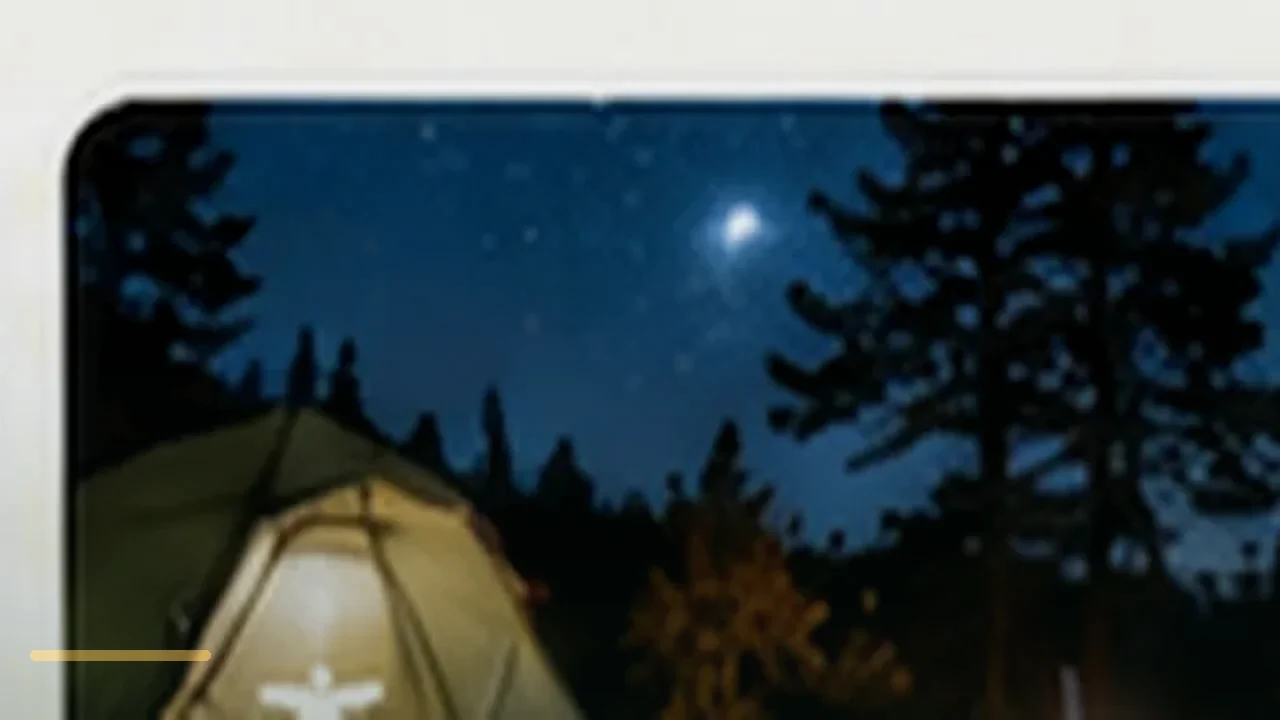
Your first camping trip does not need to be remote or complicated. A comfortable first night is mostly about choosing a manageable campsite, keeping your sleep system simple, checking the weather, and leaving enough margin to change plans.
Key points
- Start with one night at an established campground
- Treat shelter and sleep comfort as the first priorities
- Check rain, wind and overnight temperature before leaving
- Keep cooking simple and store food responsibly
- Know when to shorten or cancel the trip
1. Choose an easy first campsite
Pick a campground with clear access, reliable facilities and rules you can understand before arrival. For a first trip, convenience is a feature—not a compromise. Being close to parking, toilets and potable water reduces the number of things you need to solve at once.
Before booking, check arrival hours, quiet hours, fire restrictions, pet rules, vehicle access and whether the site is exposed to strong wind or runoff. A beautiful campsite is less useful if you arrive after dark and cannot set up safely.
2. Build your sleep system from the ground up
A tent keeps weather out, but your sleeping pad and sleeping bag determine how well you rest. The pad provides cushioning and insulation from the ground; the sleeping bag should match expected overnight temperatures with a safety margin.
Test the setup at home. Inflate the pad, get into the sleeping bag, and make sure your body fits comfortably inside the tent. A ten-minute test can reveal missing stakes, a faulty valve or a sleeping bag that is too warm or too cold.
3. Pack fewer, more reliable cooking items
For a first trip, choose meals that require one pot, minimal preparation and ingredients that are easy to store. Bring enough drinking water or confirm that potable water is available. Never assume a natural water source is safe to drink untreated.
Follow local rules for stoves and fires. If conditions are dry or windy, a campfire may be restricted or inappropriate. Keep hot equipment away from tents and dry vegetation, and let it cool before packing.
4. Use weather as a planning input, not a challenge
Rain, wind and cold are not failures, but they change the difficulty of a trip. Check the forecast, campground notices and any severe-weather alerts close to departure. If conditions exceed your experience, postpone or choose an easier location.
Pack a dry layer for sleeping, rain protection and a light source even if the forecast looks favorable. The goal is not to prepare for every possible emergency; it is to avoid a small problem becoming the reason you cannot rest, stay warm or leave safely.
5. Make the first trip short enough to learn
One night gives you enough time to discover what you actually use. After the trip, note what stayed packed, what was missing, and what caused friction during setup or sleep.
Use that record to improve your second trip rather than buying a full equipment list in advance. Camping becomes easier when your system reflects your habits, climate and transportation—not someone else’s checklist.
Quick checklist
- ✓ Reservation or campground confirmation
- ✓ Tent, stakes and groundsheet if needed
- ✓ Sleeping pad and suitable sleeping bag
- ✓ Headlamp plus spare power
- ✓ Water and simple meals
- ✓ Rain layer and warm sleep clothing
- ✓ First-aid basics and personal medication
- ✓ Trash bags and food storage
Frequently asked questions
Do I need expensive gear for my first camping trip?
No. Reliable basics and a comfortable sleep system matter more than premium brands. Borrowing or renting is a sensible way to learn what you value.
How many nights should a first trip be?
One night is usually enough to practice setup, cooking and sleep without adding unnecessary complexity.
Should beginners camp in remote areas?
An established campground with straightforward access is usually a better learning environment. Remote camping adds navigation, water, waste and emergency-planning demands.
What is the most common first-trip mistake?
Trying to solve too many things at once. Keep the campsite, meals and schedule simple so you can focus on comfort and basic routines.
This article provides general educational information. Conditions, rules and equipment requirements can change. Check current official information and local requirements before participating.